
Backflow Testing Inspections & Maintenance
Protecting Your Water. Protecting Your Health.
Clean, safe drinking water is something we all depend on. Backflow prevention is an important part of protecting the public water supply from contamination caused by unwanted water flowing in the wrong direction.
A backflow prevention assembly is designed to prevent potentially contaminated water from flowing back into a clean drinking-water system. Regular testing, inspection, and maintenance help ensure these devices are functioning properly and providing the protection they are designed to provide.
What Is Backflow?
Backflow occurs when water flows in the opposite direction from its normal flow path. Under certain conditions, water from a private plumbing system, irrigation system, commercial process, fire protection system, or other source could potentially flow back into the public drinking-water supply.
Backflow can occur because of two primary conditions:
Backsiphonage occurs when a drop in water pressure creates a suction effect that can pull water or other substances back into the drinking-water system.
Backpressure occurs when pressure within a private plumbing system becomes greater than the pressure in the public water supply, causing water to flow backward.
Without properly functioning backflow protection, contaminants could potentially enter the potable water system.
What Is Backflow Testing?
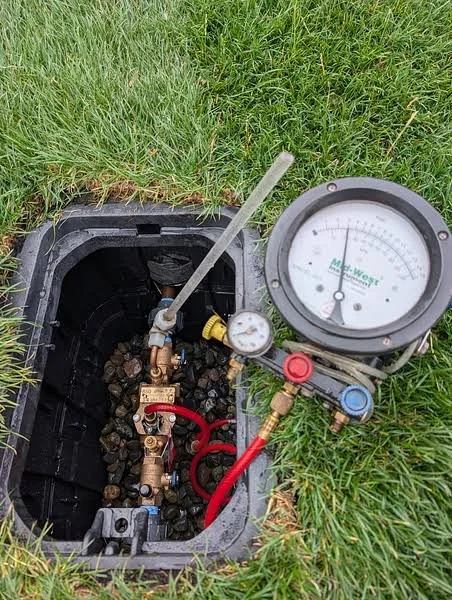
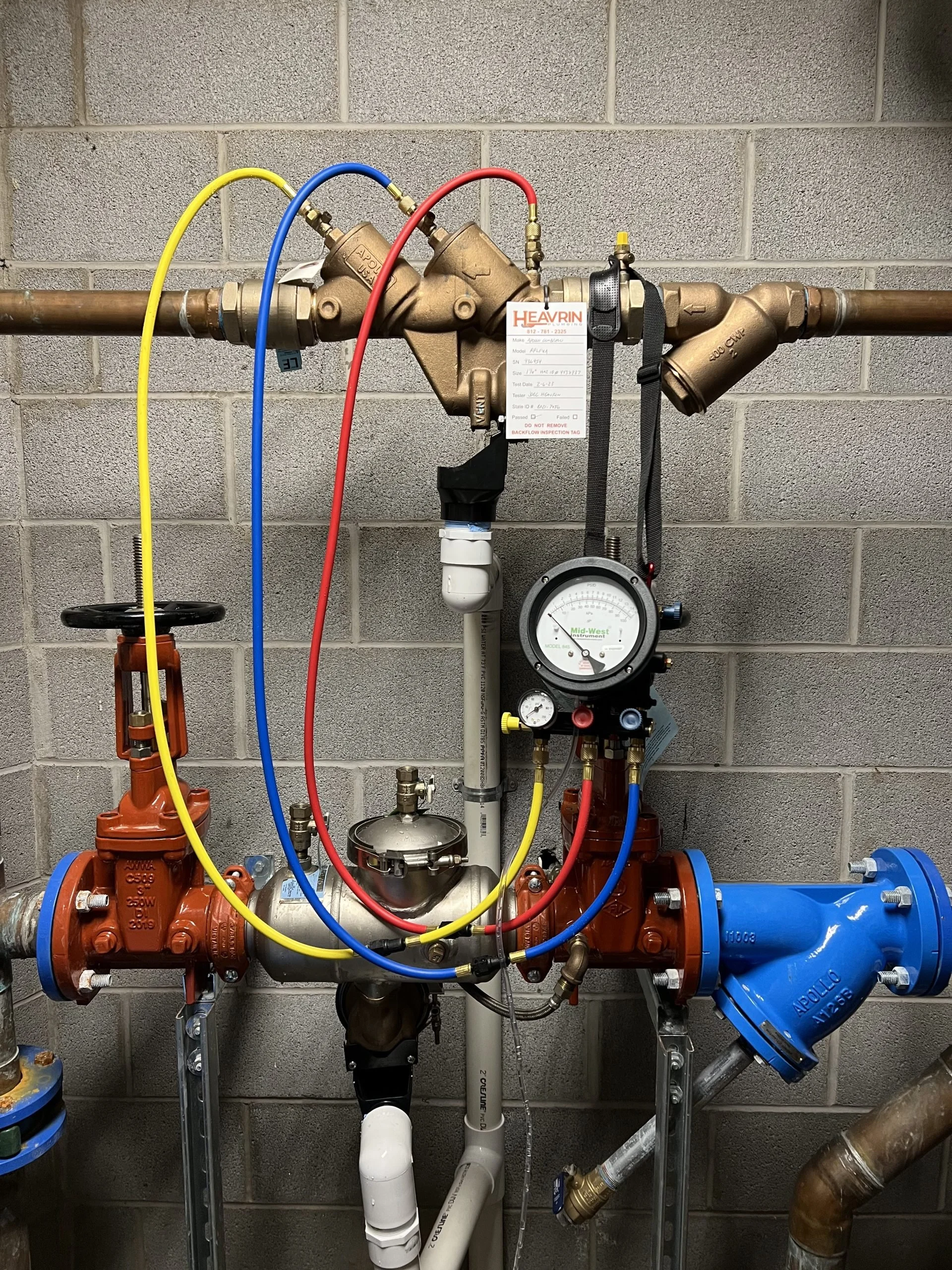
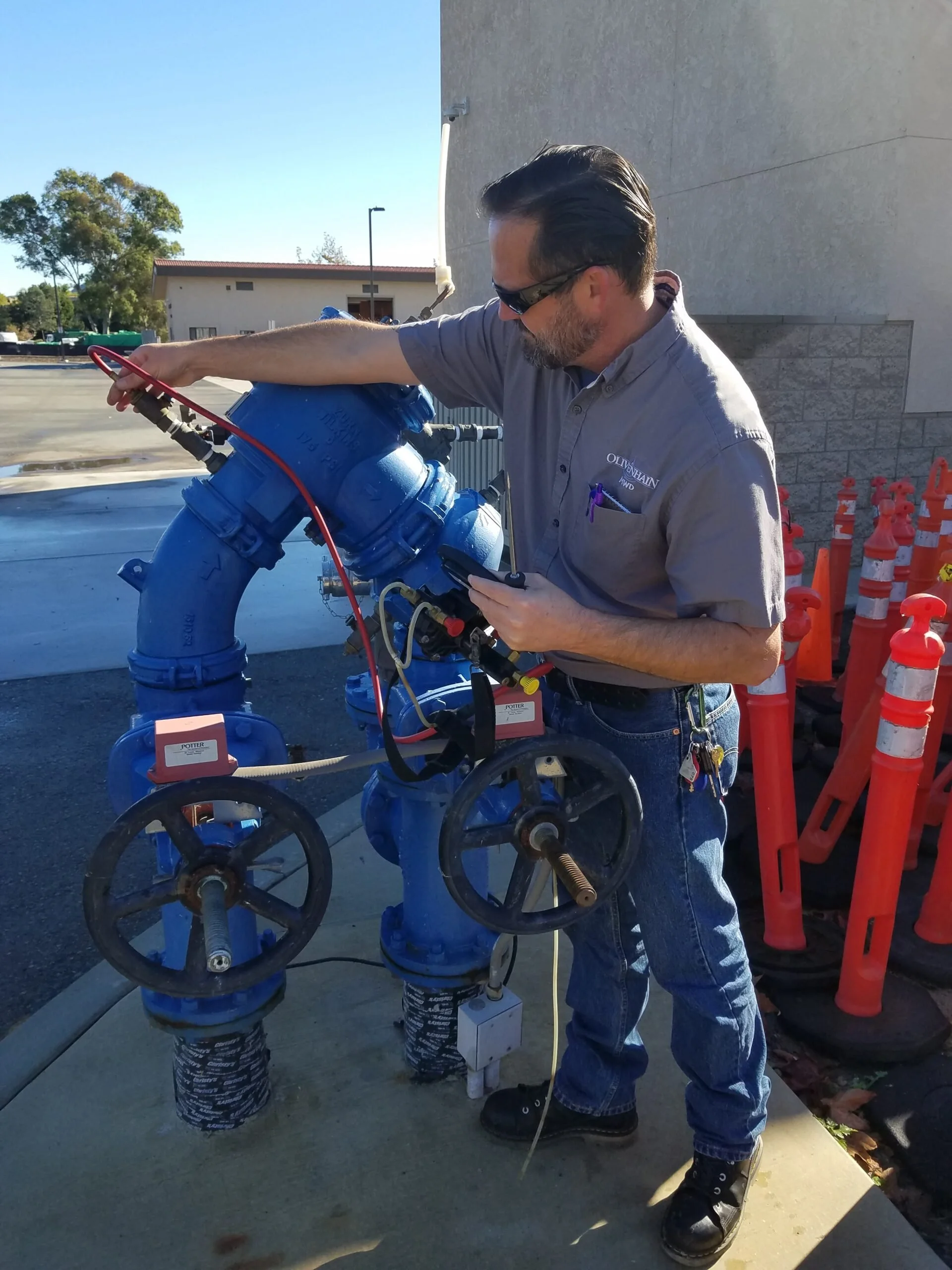
Backflow testing is the process of evaluating a backflow prevention assembly to verify that it is operating properly and providing the required level of protection.
A qualified tester uses specialized test equipment to evaluate the assembly's internal components and determine whether it is functioning within the required parameters.
Testing may include:
Identifying the backflow prevention assembly
Inspecting the assembly and surrounding area
Checking valves, fittings, and test ports
Testing internal check valves and other components
Measuring pressure conditions during the test
Determining whether the assembly passes or fails the applicable testing requirements
Documenting test results
Reporting results to the appropriate authority or water purveyor when required
Testing requirements can vary depending on the type of assembly, installation, water purveyor, and applicable regulations.
What Is Backflow Inspection?
A backflow inspection looks at the overall condition and installation of the backflow prevention assembly.
An inspection may identify:
Physical damage
Corrosion
Leaking components
Missing or damaged parts
Inaccessible assemblies
Improper installation conditions
Valve or piping issues
Problems with the surrounding area
Conditions that could interfere with testing or maintenance
Regular inspection helps identify potential problems before they affect the assembly's ability to protect the water supply.
What Is Backflow Maintenance?
Backflow prevention assemblies contain mechanical components that can wear out or become damaged over time. Regular maintenance helps keep the assembly operating properly.
When an assembly does not pass testing or has a mechanical problem, maintenance may include cleaning, repairing, rebuilding, or replacing internal components as appropriate.
Maintenance can include:
Cleaning internal components
Replacing worn or damaged parts
Servicing check valves
Replacing springs, seals, or other components
Correcting leaks
Reassembling and testing the device
Replacing an assembly when repair is no longer practical or appropriate
After maintenance or repair, the assembly should be tested again to verify proper operation.
Why Is Backflow Testing Important?
Backflow prevention is about protecting the quality of the drinking-water supply.
A properly functioning backflow prevention assembly helps protect against the possibility of contaminants entering the potable water system.
Regular testing and maintenance can help:
Protect the public drinking-water supply
Verify that backflow prevention assemblies are functioning properly
Identify worn, damaged, or failed components
Prevent potential contamination
Catch problems before they become more serious
Help property owners meet applicable testing requirements
Maintain reliable backflow protection for your property
For businesses and properties with irrigation systems, fire protection systems, commercial plumbing, or other potential sources of contamination, maintaining proper backflow protection is especially important.
Backflow Protection for Your Property
Backflow prevention assemblies are often located in areas that are not regularly inspected by property owners. Over time, components can wear, valves can develop problems, and environmental conditions can affect the equipment. Regular testing and inspection provide property owners and facility managers with an opportunity to identify these issues and make necessary repairs. Keeping your backflow assembly accessible and maintaining the area around it also makes testing and servicing easier and helps ensure the device can be properly maintained.
Protecting Our Water Supply
Backflow prevention plays an important role in protecting clean drinking water. Regular testing, inspection, and maintenance help ensure your backflow prevention assembly continues to provide the protection it was designed to provide.
AMG Backflow & Fire Protection provides professional backflow testing, inspection, and maintenance services for residential, commercial, irrigation, and fire protection applications. Our goal is to help property owners maintain reliable backflow protection while protecting the safety and integrity of the water supply.
Schedule your backflow testing with AMG Backflow & Fire Protection today.