
Fire Extinguisher Testing & Maintenance
Ready When You Need It Most
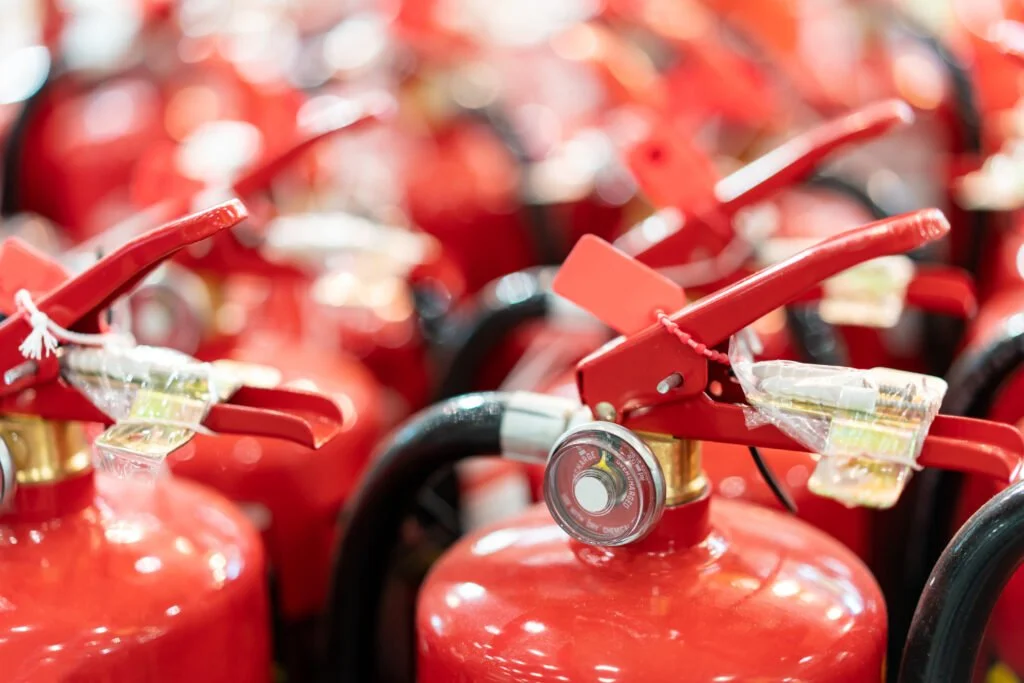
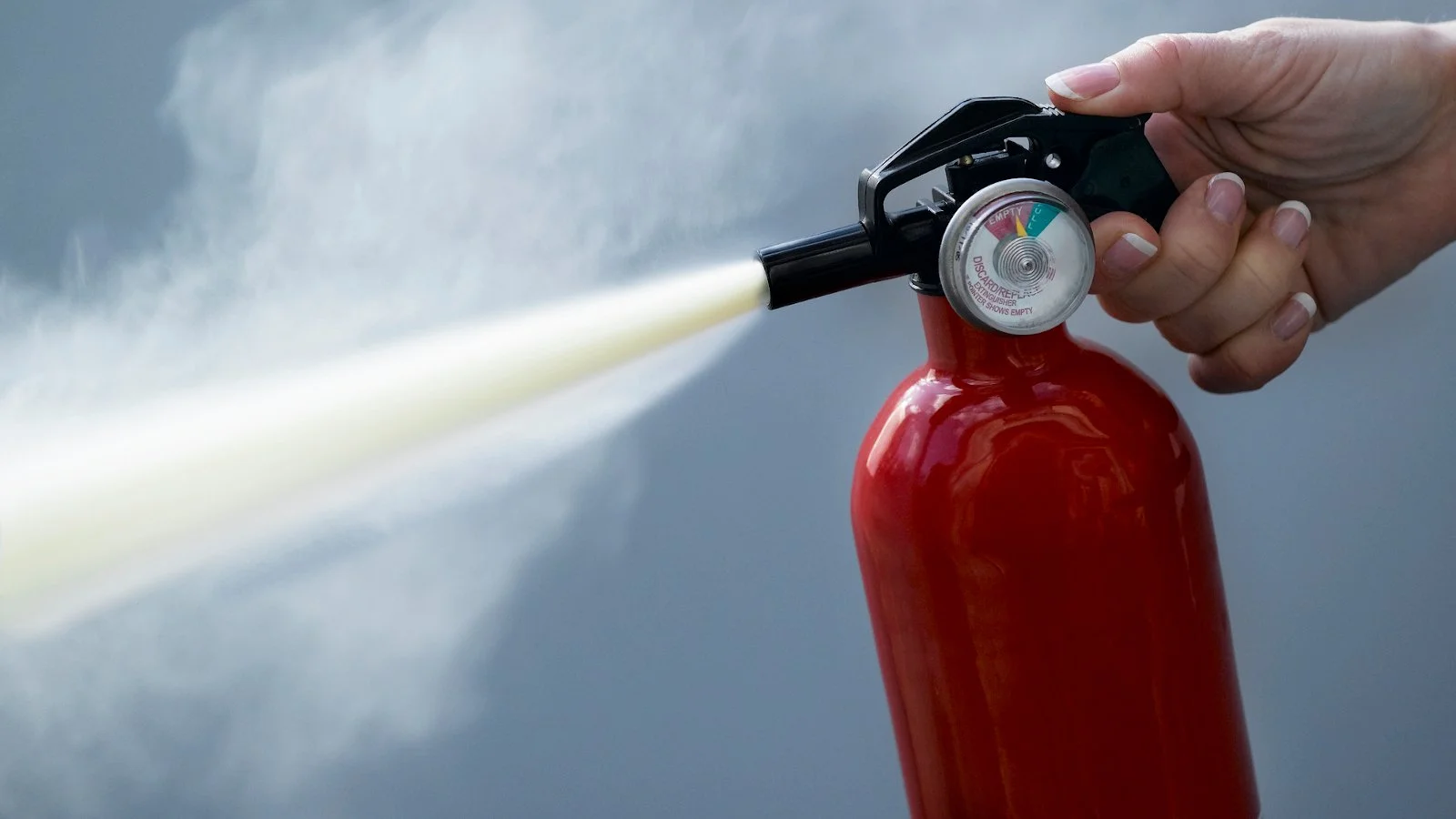
Fire extinguishers are one of the first lines of defense when a fire starts. A properly selected, installed, inspected, and maintained fire extinguisher can help control a small fire before it becomes a serious emergency.
Regular fire extinguisher inspection and maintenance help ensure your extinguishers are accessible, fully charged, in good working condition, and ready to use when needed.
What Is Fire Extinguisher Testing & Inspection?
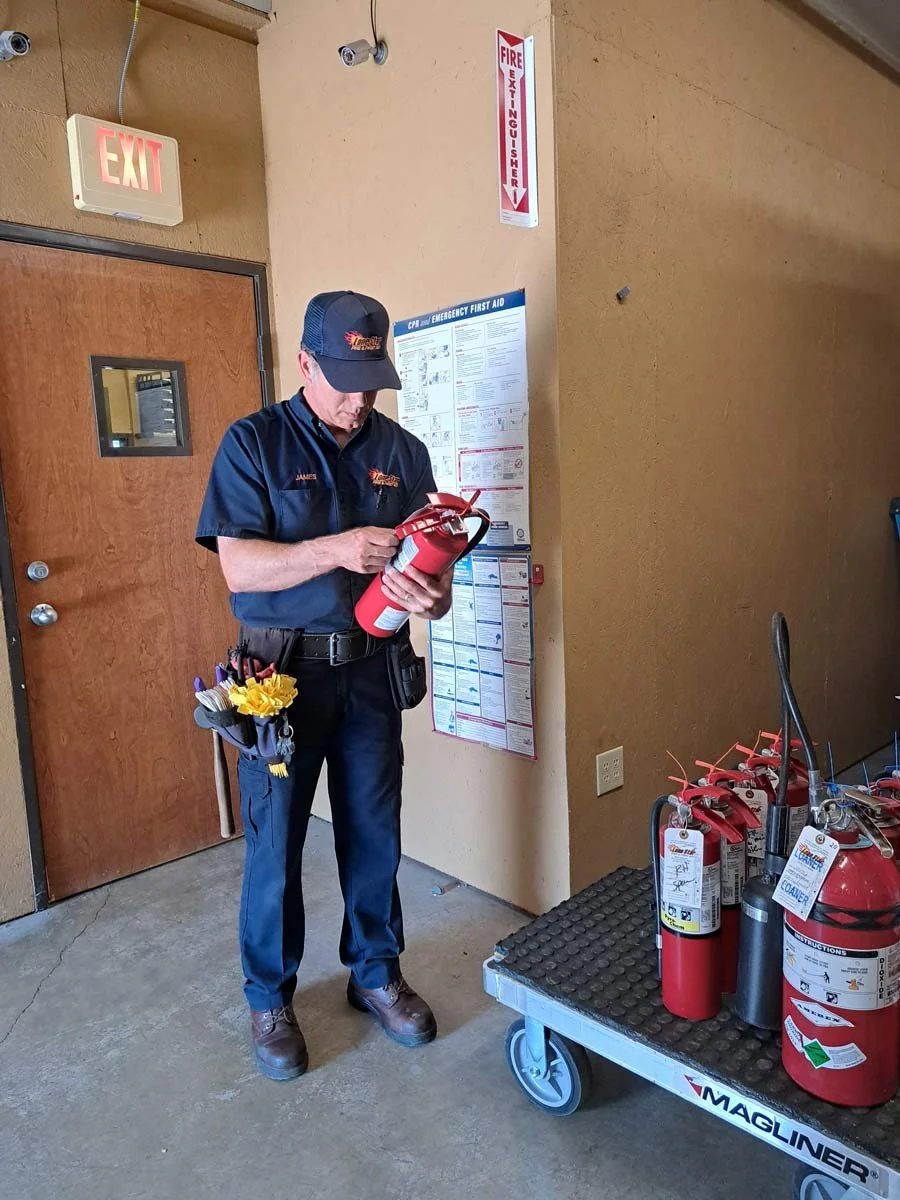
Fire extinguisher inspection and testing involves examining fire extinguishers to identify conditions that could prevent them from operating properly during an emergency.
During an inspection, our technicians may check:
Extinguisher location and accessibility
Proper mounting and identification
Safety pins and tamper seals
Pressure gauges and indicators
Hoses, nozzles, and discharge components
Cylinder condition, including corrosion, dents, or physical damage
Signs of leakage or discharge
Proper labeling and operating instructions
Whether the extinguisher is the correct type and rating for the hazards present
Overall condition and readiness for emergency use
Any deficiencies found during an inspection can be documented and addressed through the appropriate maintenance or repair.
Fire Extinguisher Maintenance
Fire extinguishers require more than simply having them mounted on the wall. They must be properly maintained throughout their service life.
Maintenance may include cleaning the extinguisher, replacing damaged or defective components, servicing the extinguisher as required, restoring pressure when appropriate, and replacing extinguishers that are no longer suitable for service.
Some extinguishers also require periodic internal examination and more extensive servicing at specified intervals. The type and frequency of service can vary depending on the extinguisher, its condition, and applicable requirements.
Why Is Fire Extinguisher Inspection Important?
Fire extinguishers can sit unused for years, but when a fire occurs, they need to work immediately.
Regular inspection and maintenance help:
Ensure extinguishers are ready for emergency use
Identify damaged or defective equipment
Confirm extinguishers are accessible and properly located
Help prevent equipment failures
Ensure the appropriate extinguisher is available for the hazards present
Protect employees, customers, residents, and property
Help property owners maintain compliance with applicable fire protection requirements
A fire extinguisher that is empty, damaged, inaccessible, or improperly maintained may not perform when it is needed most.
Choosing the Right Fire Extinguisher
Different types of fires require different types of extinguishing agents. Common extinguisher classifications include:
Class A – Ordinary combustibles such as wood, paper, and cloth
Class B – Flammable liquids such as gasoline, oils, and certain solvents
Class C – Energized electrical equipment
Class D – Combustible metals
Class K – Cooking oils and fats commonly found in commercial kitchens
Proper extinguisher selection depends on the hazards present in the specific area. Having the right extinguisher readily available can make a significant difference during a fire emergency.
Protecting Your People & Property
Fire extinguishers are an essential part of a comprehensive fire protection program. Regular inspection and maintenance help ensure that your extinguishers remain reliable, accessible, and ready to respond when an emergency occurs.
AMG Backflow & Fire Protection provides professional fire extinguisher inspection, testing, and maintenance services to help businesses and property owners keep their fire protection equipment ready when it matters most.
Schedule your fire extinguisher testing with AMG Backflow & Fire Protection today.