
Fire Sprinkler System Inspection, Testing, and Maintenance
Ready When You Need It Most
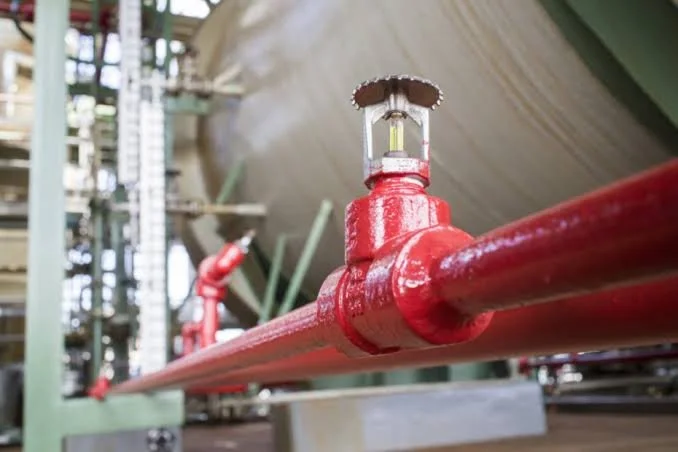
A fire sprinkler system is an important part of a building's fire protection system. Fire sprinklers are designed to detect heat from a fire and automatically discharge water to help control or suppress the fire, limit property damage, and provide occupants additional time to safely evacuate.
Regular fire sprinkler inspection, testing, and maintenance helps ensure that the system remains in proper working condition and is ready to respond when it is needed.
What Is Fire Sprinkler Inspection?
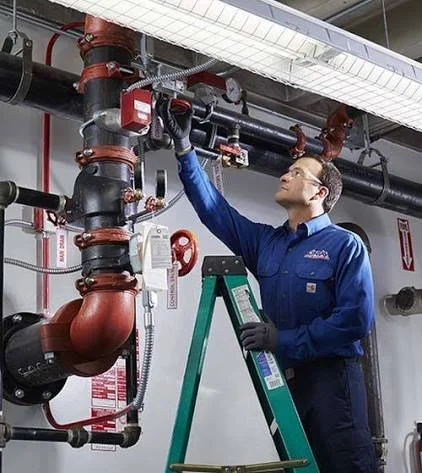
A fire sprinkler inspection is a visual examination of the sprinkler system and its components to identify conditions that could prevent the system from operating properly.
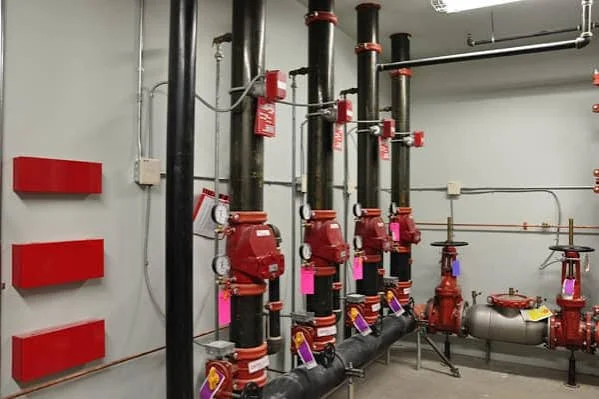
Depending on the type of system and the equipment installed, an inspection may include checking:
Fire sprinkler heads
Control valves
Valve supervisory devices
Waterflow devices
Pipes and fittings
Gauges
Alarm valves
Fire department connections
Sprinkler risers
Hangers and supports
Backflow prevention assemblies
Water storage tanks and other system components, when applicable
Accessibility and condition of system components
Inspectors look for problems such as damaged or obstructed sprinkler heads, closed valves, corrosion, leaks, missing components, improper storage, and other conditions that could affect system performance.
What Is Fire Sprinkler Testing?
Testing involves operating or evaluating sprinkler system components to verify that they function as intended.
Depending on the system, testing may include:
Testing waterflow alarm devices
Testing supervisory devices
Testing alarm valves
Checking system pressure
Testing control valves
Conducting main drain tests
Performing inspector's test connections
Testing fire department connections
Testing other system components as required
Testing provides an opportunity to identify equipment that may not operate correctly before a fire emergency occurs.
What Is Fire Sprinkler Maintenance?
Fire sprinkler maintenance involves correcting deficiencies and keeping the system and its components in proper operating condition.
Maintenance may include:
Repairing or replacing damaged sprinkler heads
Repairing leaks
Replacing defective gauges or valves
Servicing or replacing waterflow and supervisory devices
Correcting damaged or improperly supported piping
Restoring system components to proper operating condition
Addressing deficiencies identified during inspections and testing
Prompt maintenance is important because even a small problem can affect the performance of a fire sprinkler system.
Why Is Fire Sprinkler Inspection & Testing Important?
A sprinkler system may never need to operate during its entire service life—but if a fire occurs, it must work immediately.
Regular inspection and testing can help:
Verify that the sprinkler system is ready for an emergency
Identify damaged or obstructed sprinkler heads
Detect leaks and corrosion
Verify valves are in their proper operating position
Confirm waterflow and supervisory devices function properly
Identify problems before they affect system performance
Help protect people, buildings, equipment, and property
Help property owners maintain applicable fire protection requirements
Early detection and proper sprinkler operation can help control a fire before it grows, potentially reducing the amount of damage and providing occupants more time to evacuate.
Keeping Your Fire Sprinkler System Ready
Fire sprinkler systems require regular attention because their components can be affected by age, corrosion, physical damage, building modifications, changes in occupancy, and other conditions.
Property owners and facility managers should make sure sprinkler system deficiencies are addressed promptly and that system components remain accessible. Storage should also be kept away from sprinkler heads and should not interfere with the proper operation or spray pattern of the system.
Keeping valves accessible and properly positioned is especially important. A closed control valve can prevent water from reaching the sprinkler system when it is needed.
Protecting People & Property
Your fire sprinkler system is designed to provide automatic fire protection when a fire occurs. Regular inspection, testing, and maintenance help ensure that the system remains reliable and ready to perform its intended function.
AMG Backflow & Fire Protection provides professional fire sprinkler inspection, testing, and maintenance services to help businesses and property owners maintain reliable fire protection systems and protect the people and property that matter most.
Schedule your fire sprinkler testing with AMG Backflow & Fire Protection today.